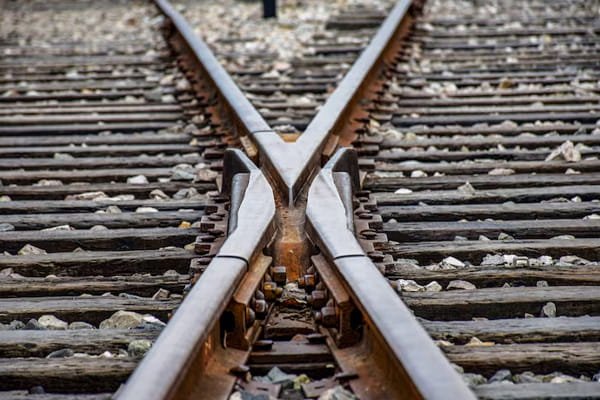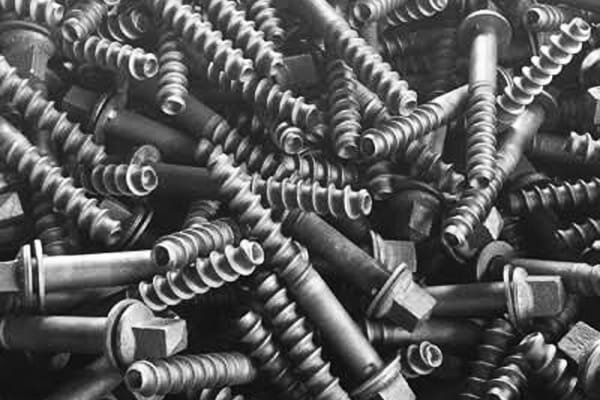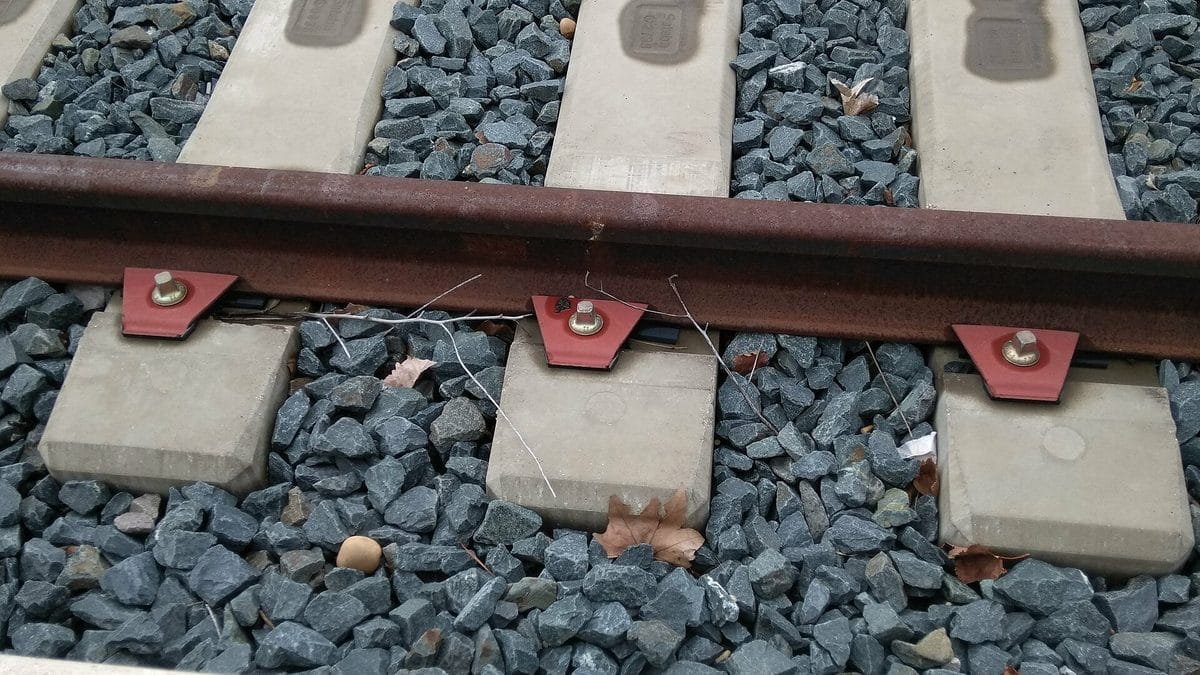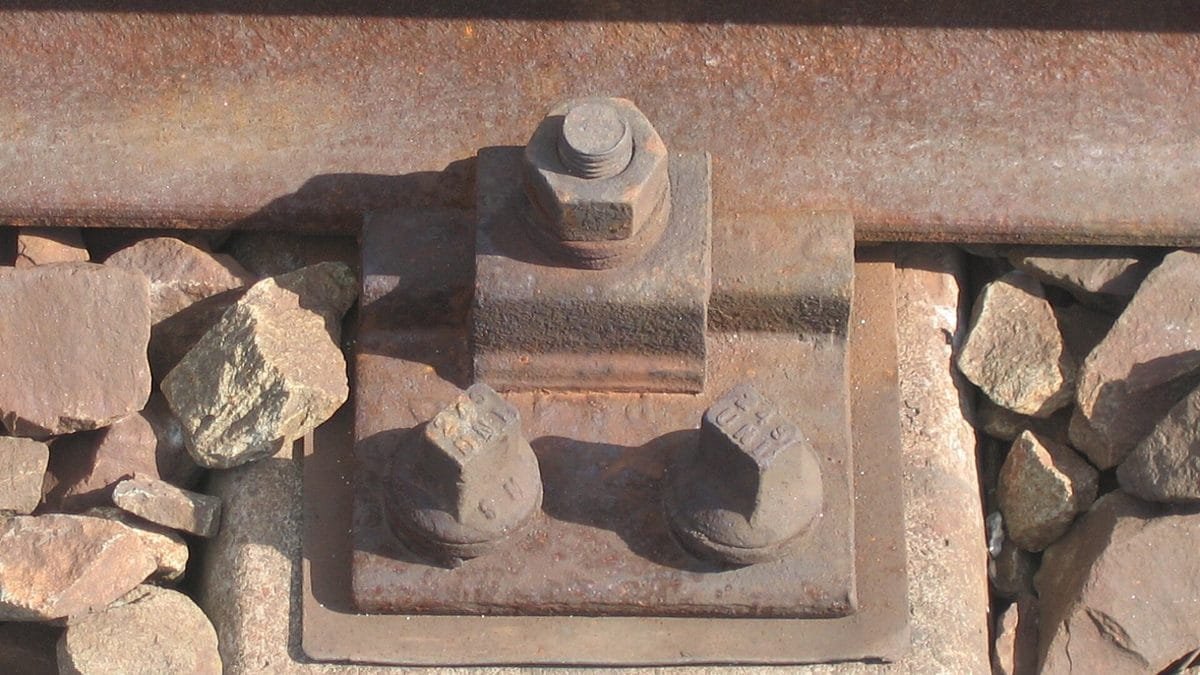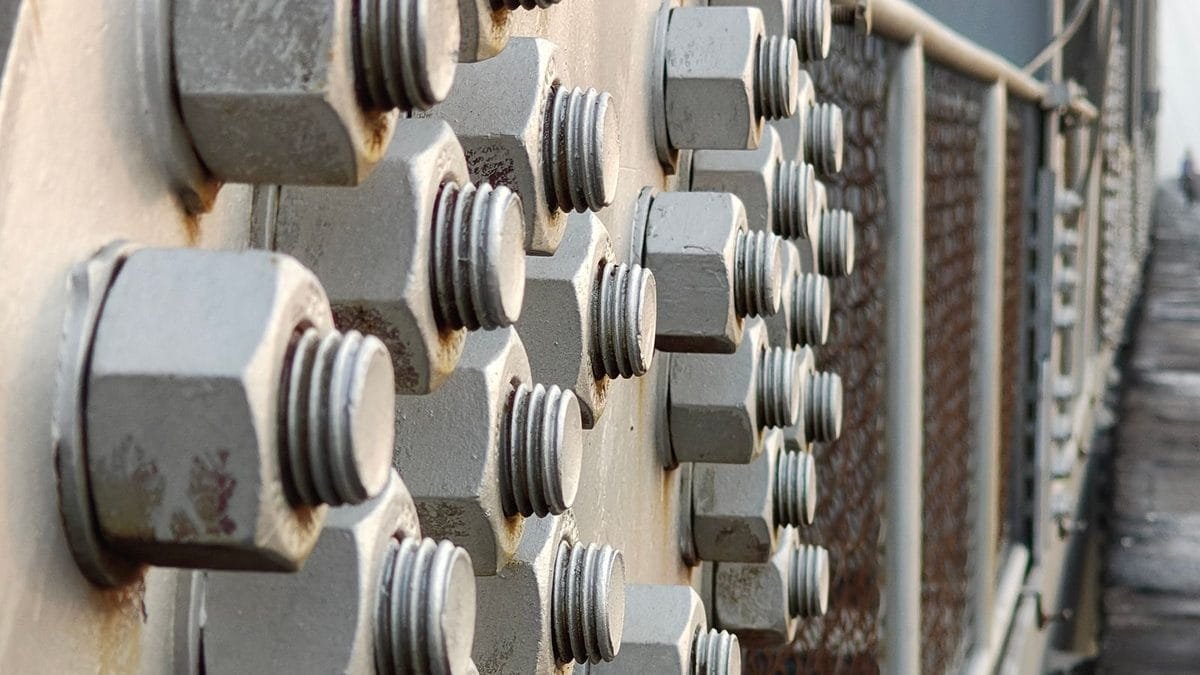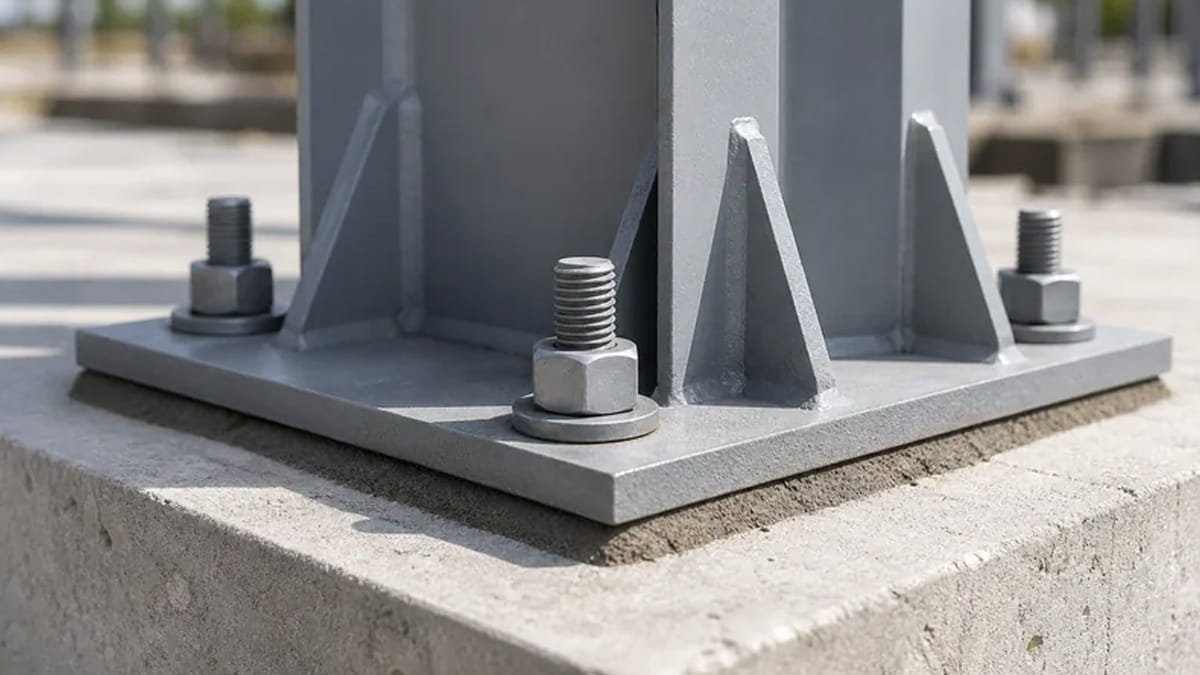
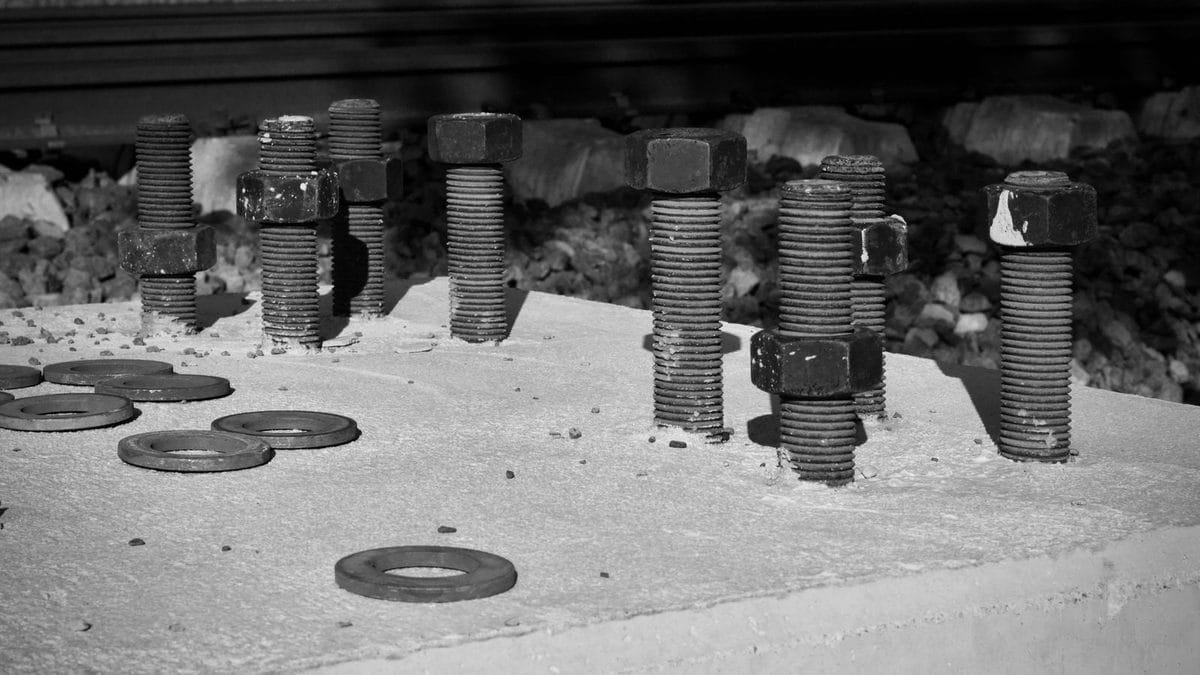
A set of points and crossings — a turnout — is where a train is guided from one track to another. Unlike plain track, a turnout is made up of many separate assemblies: switches, the crossing, check rails, blocks and spacers. Many of them are held together by bolts, and each position has its own bolt design.
Why turnouts need so many different bolts
The bolts in a turnout clamp parts of very different thickness and shape — a crossing and its blocks, a check rail and its spacer, components of the switch assembly. Each bolt therefore needs a specific length, thread length and head, and has to carry the shock loads that turnouts see as wheels change direction. That is why the bolts are specified drawing by drawing.
The RDSO T-11504 to T-11549 series
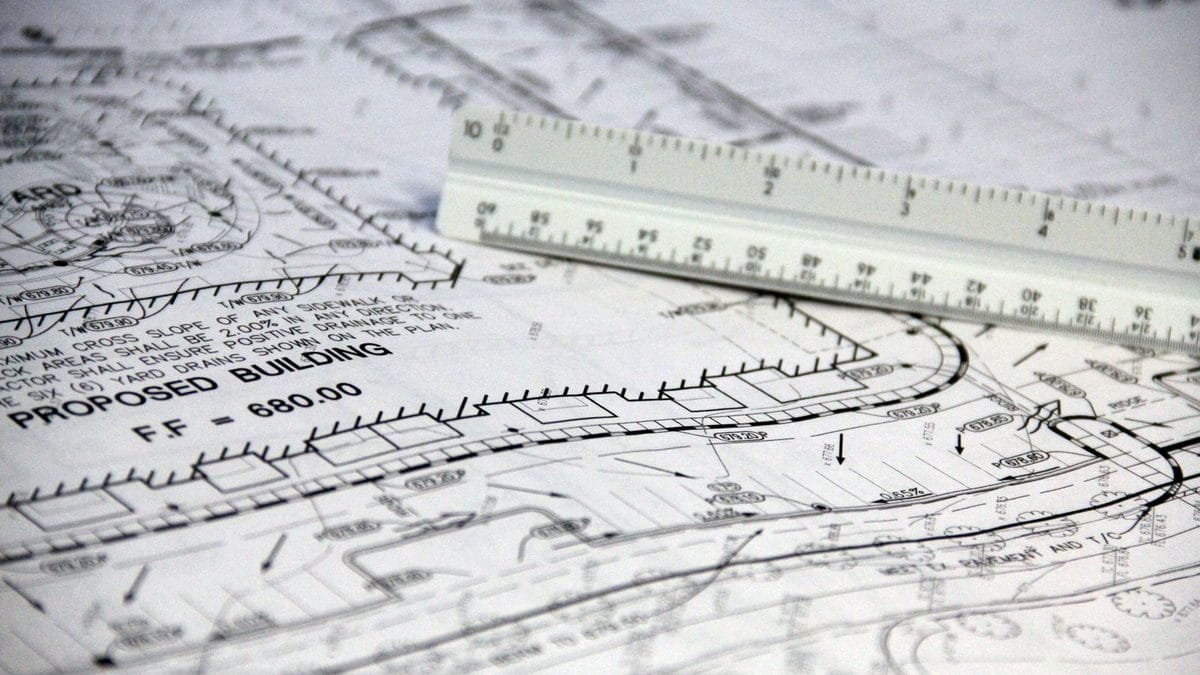
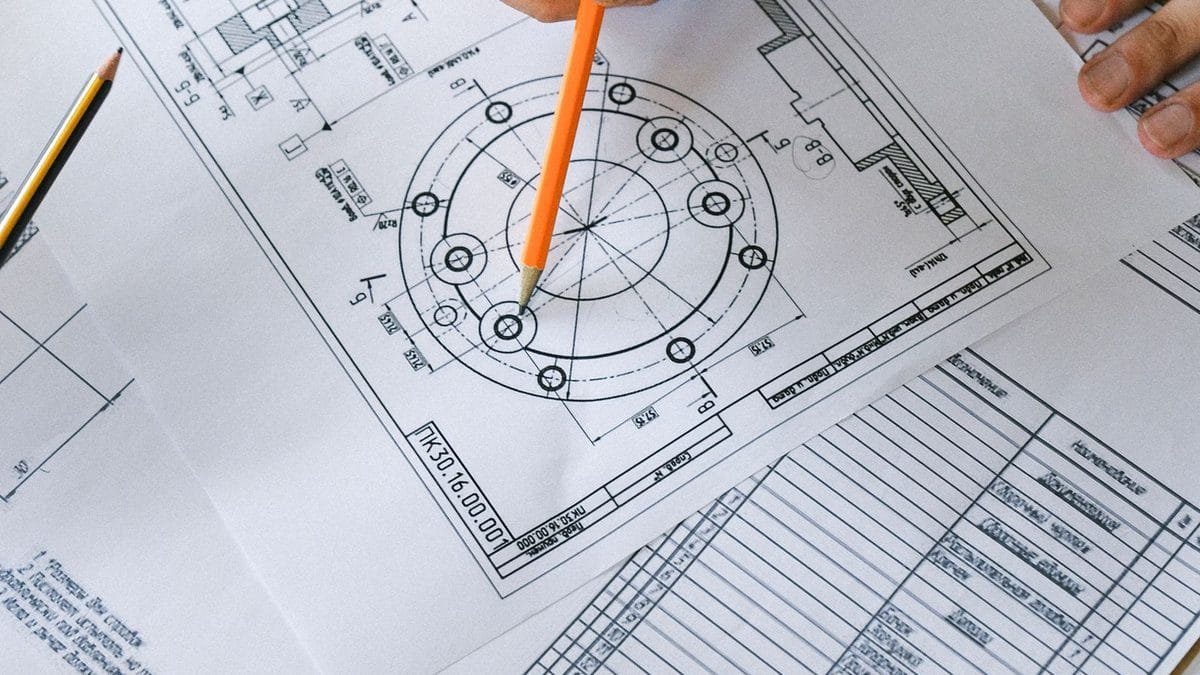
For Indian Railways turnouts, track bolts for points and crossings are covered by a series of RDSO drawings. S A Engineering manufactures track bolts to drawings in the series T-11504 to T-11549. Each drawing is a separate item: quote the drawing numbers you need and the quantity for each.
Inspection tips for maintenance teams
- Check for loose nuts during routine turnout inspection; loss of clamping lets components move and accelerates wear.
- Look for missing or broken bolts in crossing and check-rail assemblies, where impact loads are highest.
- Replace like for like — use the bolt drawn for that position, not the nearest length in stock.
- Record the drawing numbers of bolts that are replaced often, so they can be stocked ahead of need.
How to order
- List every RDSO drawing number with its alteration.
- Give the quantity per drawing.
- Say whether nuts, washers or other parts shown on the drawing are needed.
- Include inspection requirements and the delivery location and date.
Turnout work often needs plate screws and fish bolts too; one enquiry can cover all of them.