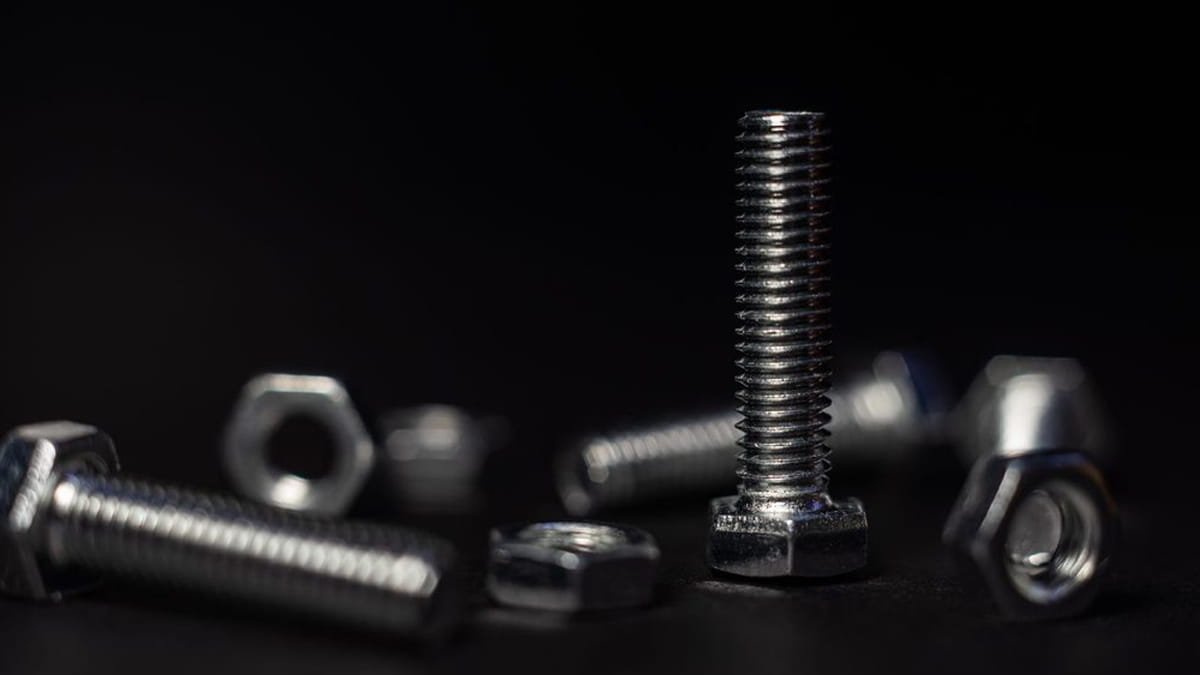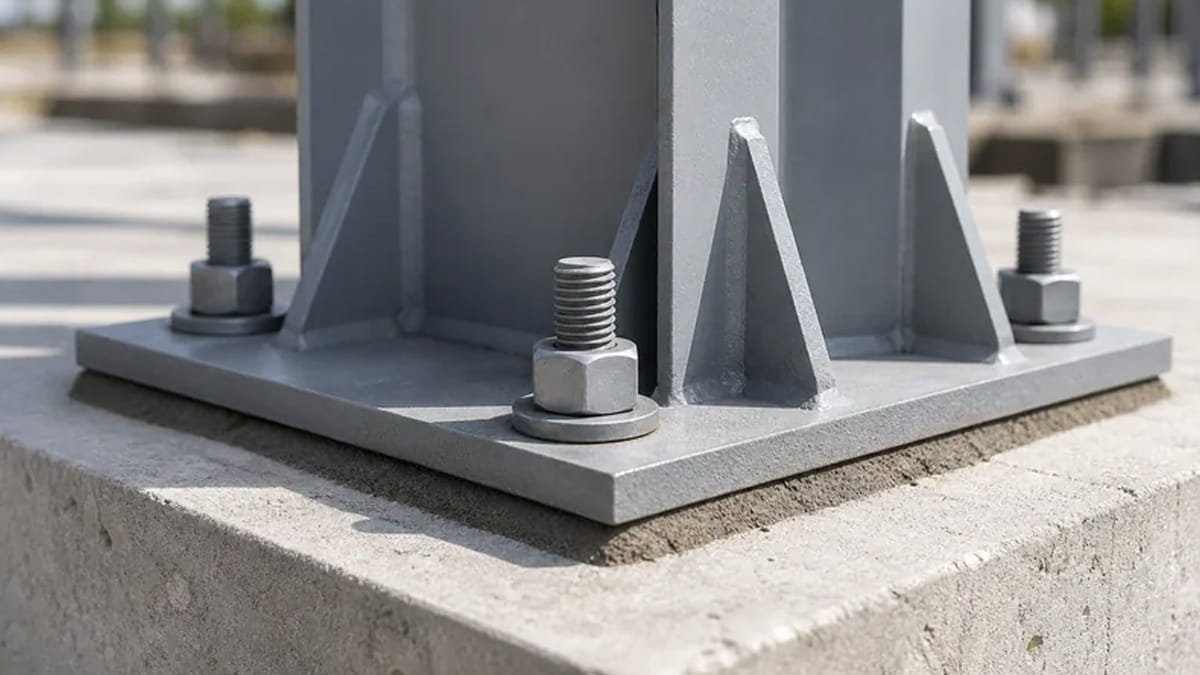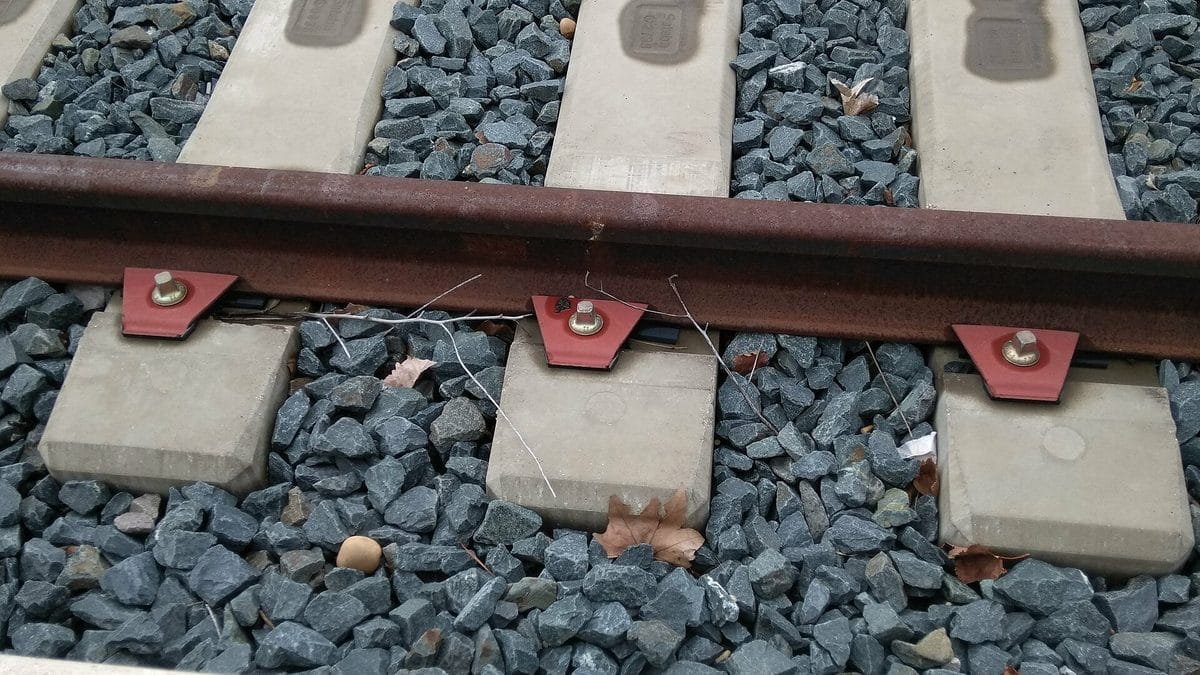

A bolt does its job by being stretched. When it is tightened, it acts like a very stiff spring that clamps the joint together. That clamping force is the preload. A properly preloaded joint carries load through friction between the clamped parts, and the bolt itself sees only a small change in load as the joint works. A loose bolt, on the other hand, takes the full load on every cycle — and that is how most fatigue failures start.
Torque is the means, preload is the goal
We usually control tightening by torque because it is easy to measure, but what matters is the preload it produces. A widely used approximation is:
T = K × F × d
- T — tightening torque
- K — nut factor, often taken around 0.2 for dry, plain steel
- F — target preload
- d — nominal bolt diameter
The nut factor changes a lot with lubrication and finish: oiled or coated threads need noticeably less torque for the same preload. That is why a torque value is only valid for the condition it was calculated for. Always use the torque given by the equipment manufacturer or the design.
Why joints loosen
- Too little preload — the joint can slip, and slip under vibration rotates the nut loose.
- Embedding — surface roughness flattens in the first hours of service, losing some preload.
- Gasket or paint creep — soft layers in the joint relax over time.
- Thermal cycling — different expansion of parts changes clamp force.
Good tightening habits
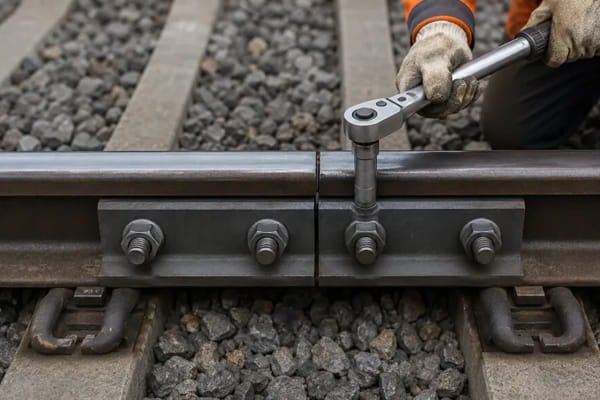
- Use the specified torque and a calibrated wrench.
- Clean threads; use lubricant only if the torque value assumes it.
- Tighten multi-bolt joints in a cross pattern, in stages.
- Re-check torque after initial running-in where your procedure calls for it.
- Replace bolts that are stretched, damaged or corroded rather than re-using them.
Using the right grade matters as much as the right torque — see bolt property classes explained.