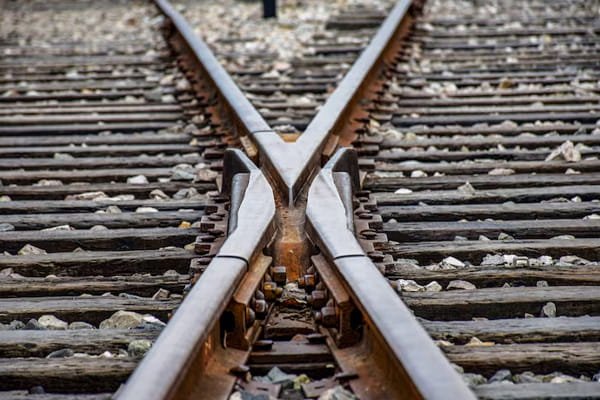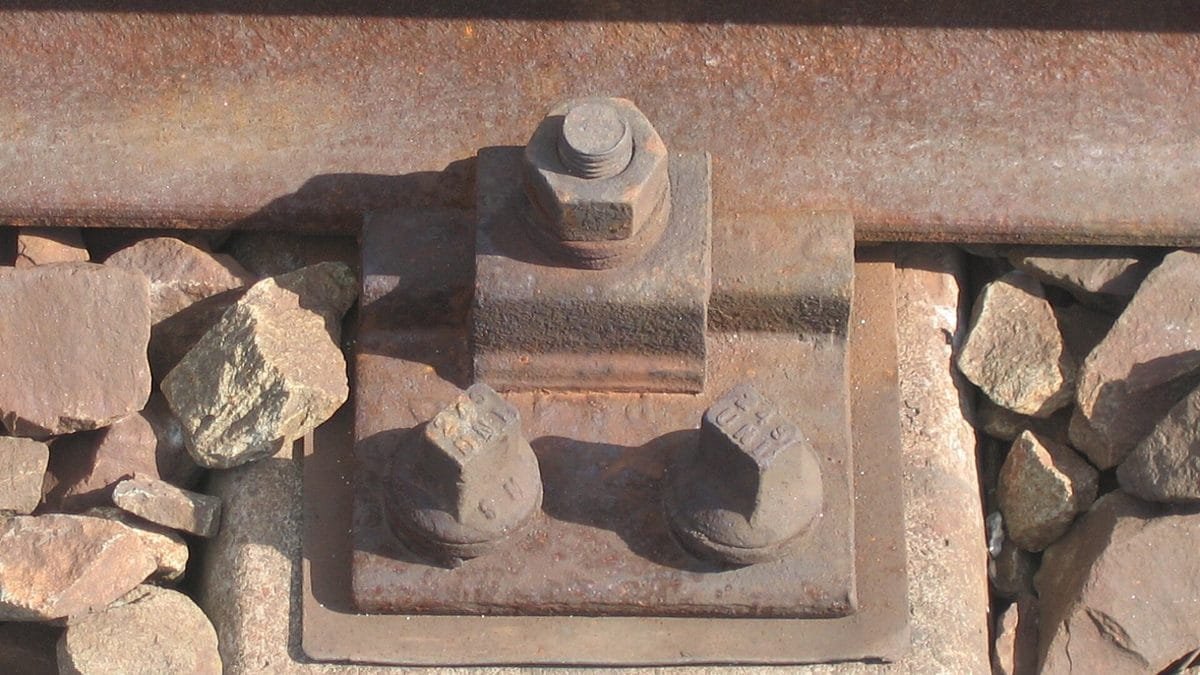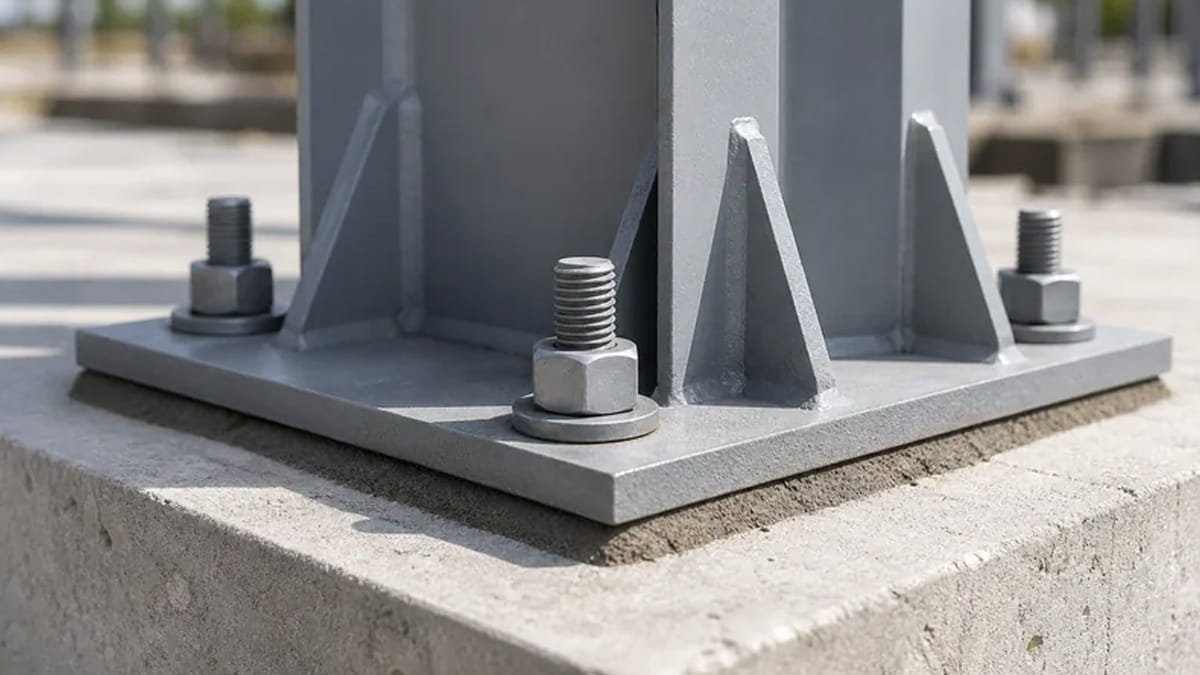
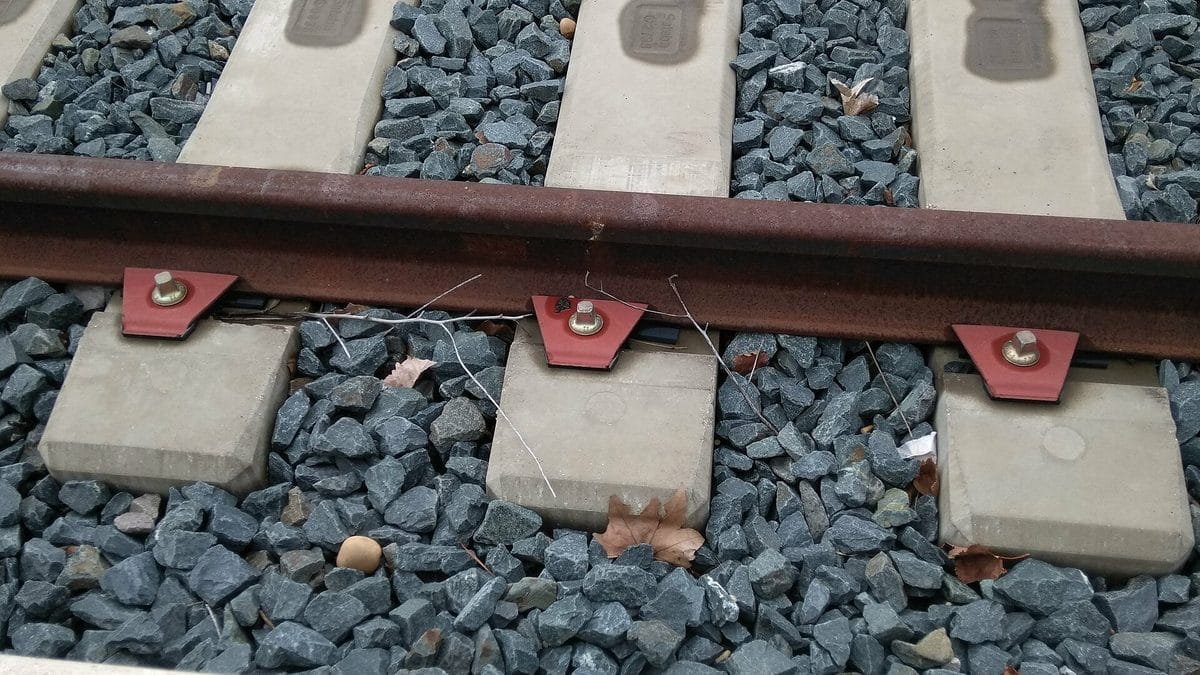
Between the rail and the sleeper there is usually a plate — a bearing plate or base plate — that spreads the load and holds the rail seat in position. On many track and turnout designs that plate is fixed to the sleeper with plate screws.
What a plate screw does
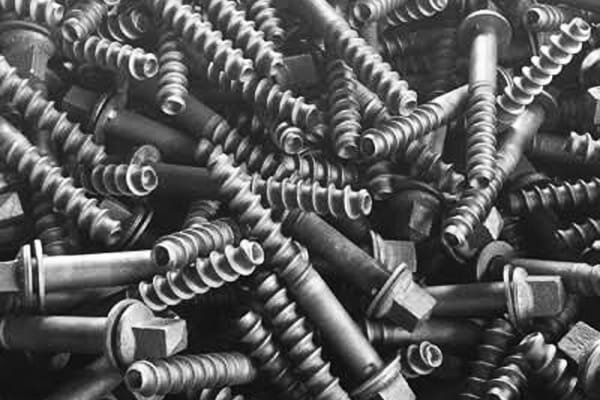
A plate screw is driven through a hole in the plate into the sleeper. Its thread grips the sleeper, and its head clamps the plate down. Under traffic, the screw has to resist being pulled up and the plate from shifting sideways, cycle after cycle. A screw that loses its grip lets the plate move, which affects gauge and rail seat condition.
The RDSO drawings
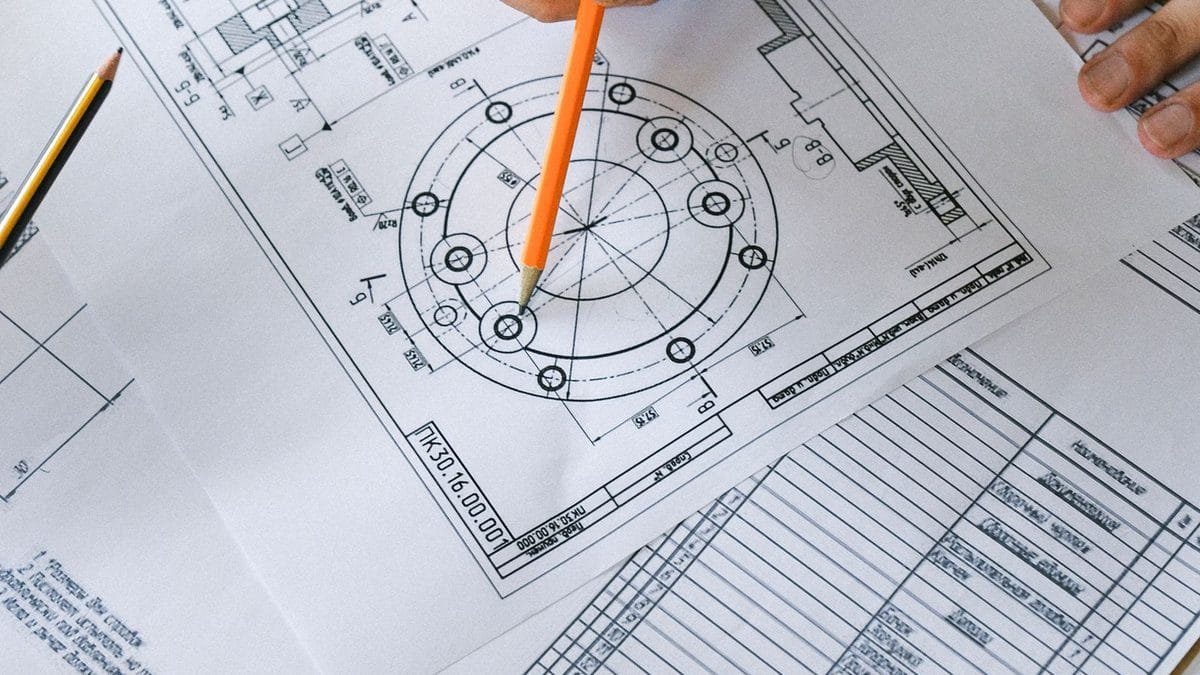
Plate screws for Indian Railways are specified by RDSO drawings that fix the thread form, shank, length and head. S A Engineering manufactures plate screws to eight drawings:
- RDSO/T-3911, T-3912, T-3913 and T-3914
- RDSO/T-3915, T-3916, T-3917 and T-3918
Each drawing is its own item, so a single order can include a mix — see railway plate screws.
Maintenance pointers
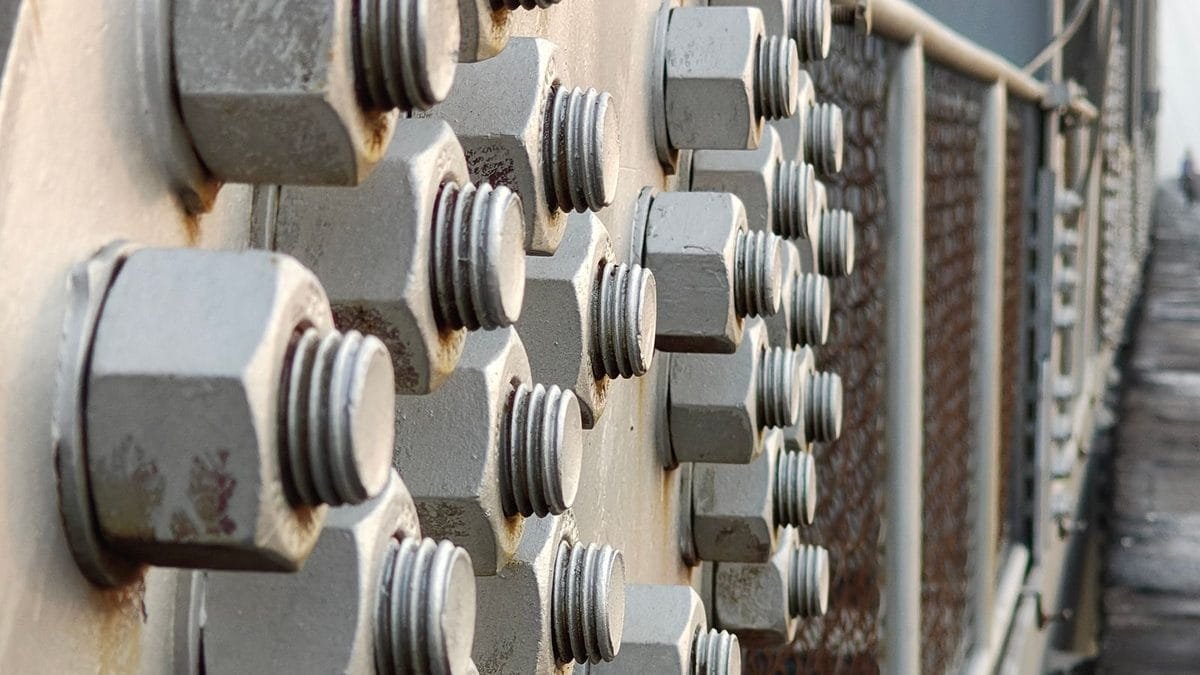
- Check for lifted or loose screws during inspections, especially at turnouts and on bridges where plates are common.
- Use the correct drawing when replacing — length and thread form are chosen for the sleeper and plate in that location.
- Replace damaged screws rather than re-driving them into worn holes, following your railway's maintenance instructions.
Ordering plate screws
- RDSO drawing number and alteration for each item
- Quantity per drawing
- Inspection requirements from the tender or order
- Delivery location and date
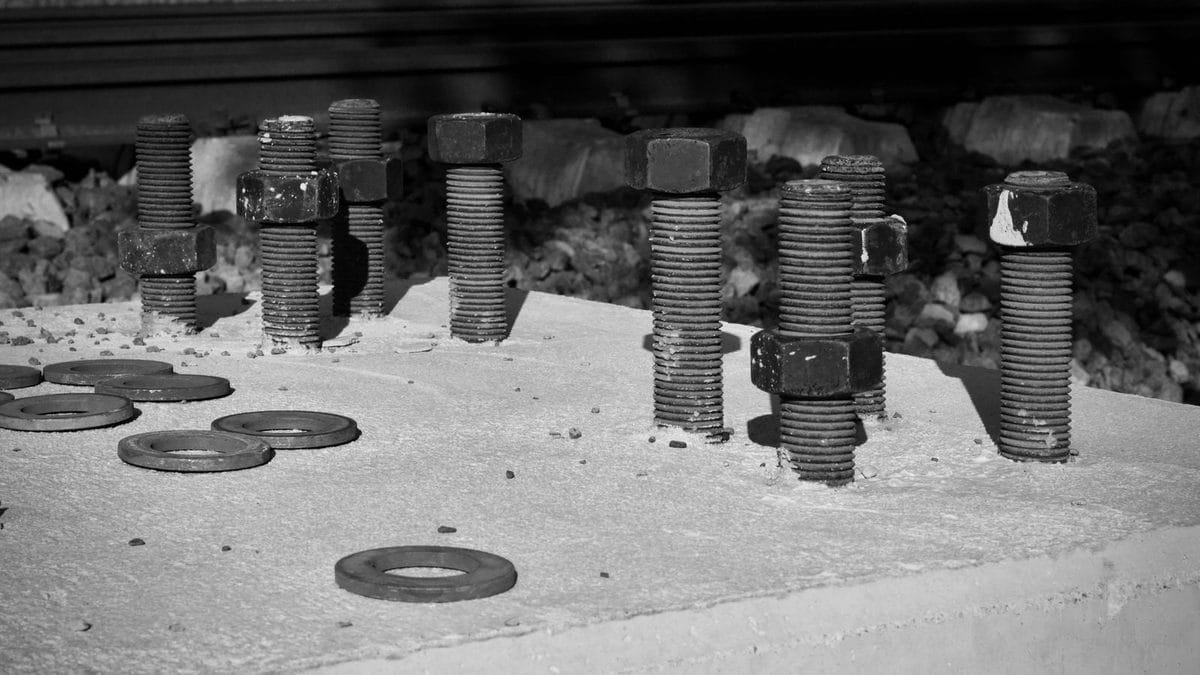
Working on a turnout? Add the track bolts to the same enquiry.